Voice of the Danube
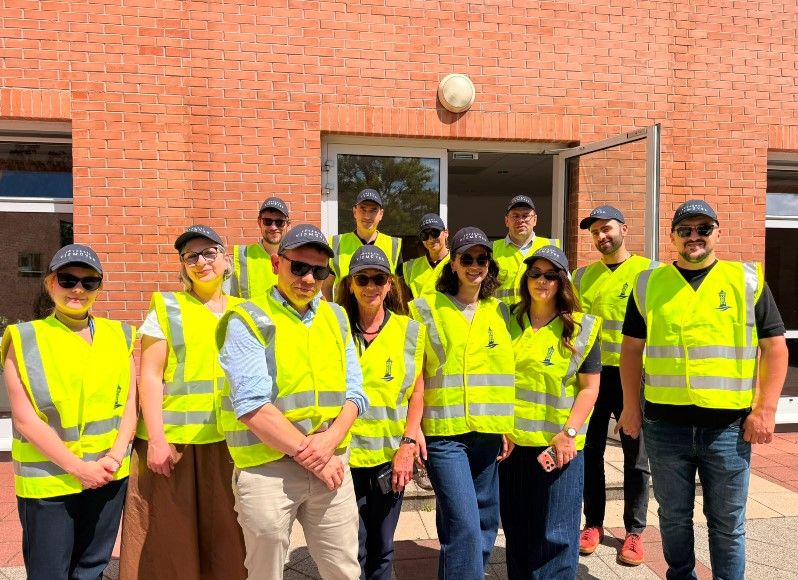
The fifth module of the third UMT cycle brought our current class to Budapest for a week dedicated to one of the programme's most technically demanding areas: Efficient Plant Operations (EPO). The host for the week was Budapest Waterworks, one of our member utilities and operator of one of the largest WWTPs on the Danube, a fitting setting for a module focused on treatment.
Setting the scene: what contaminates water and why it matters
The week opened with the fundamentals. Before optimising a treatment plant, you need to understand what you are treating. Jindřich Procházka presented a comprehensive overview of water contaminants, from geogenic minerals and ageing iron pipes to emerging substances such as PFAS, establishing the technical baseline for everything that followed. EU water legislation was the next building block. Edith Hödl outlined the regulatory framework that governs water quality standards across Danube countries, while Enkelejda Gjinali illustrated how that framework translates into practice through the Albanian national implementation plan, a concrete example of how regulation meets country-level action. Roberta Maffettone and Caterina Cacciatori from the JRC rounded out the regulatory picture with an overview of how science and citizen engagement feed into the evolution of EU water policy.
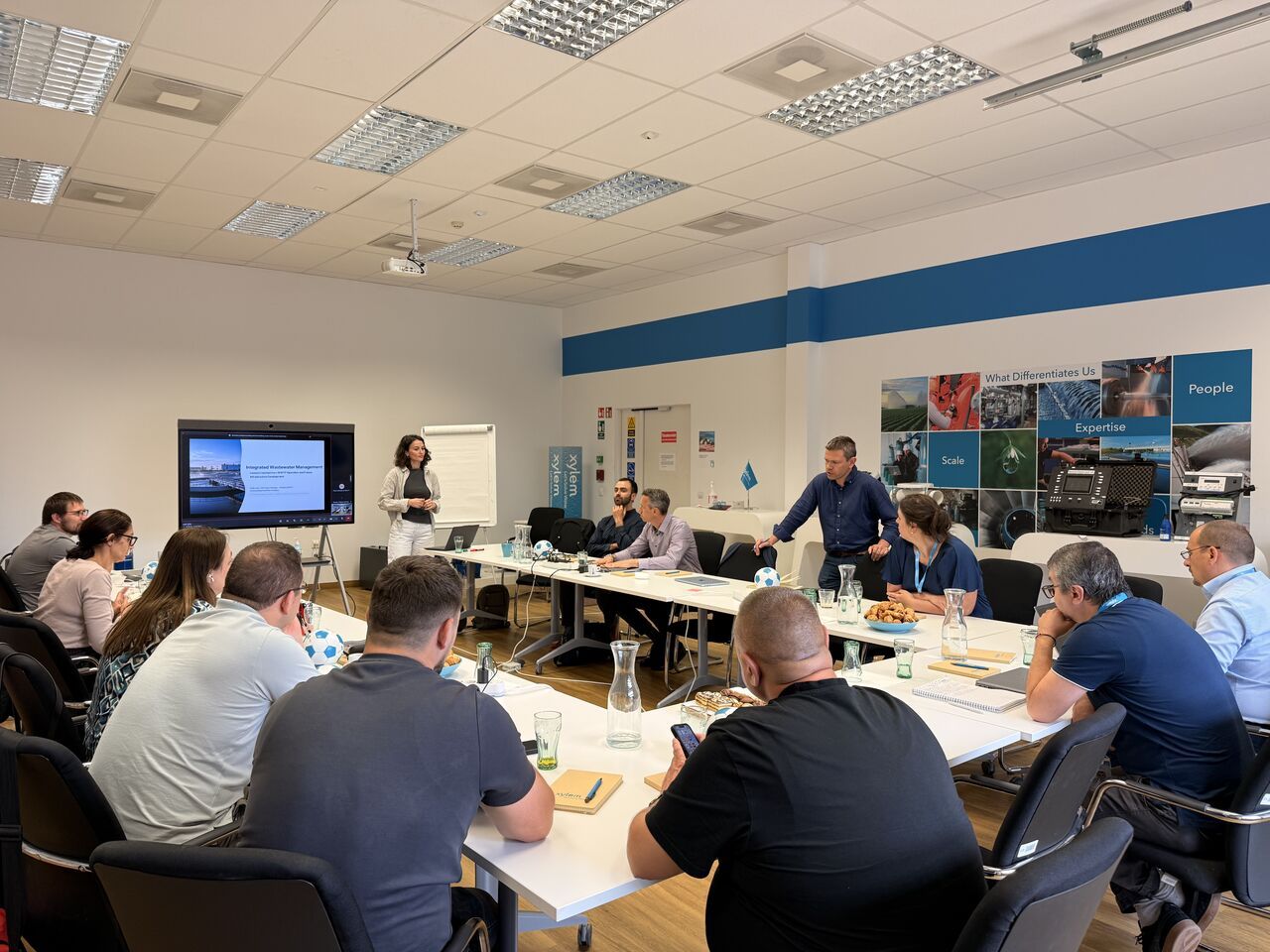
Monday afternoon, as is UMT tradition, was dedicated to the host country. Participants received an in-depth look at the Hungarian water sector, its recent evolution, and the performance of Budapest Waterworks, including a quite low non-revenue water rate and the utility's growing international footprint.
Inside the plant: process, cost and optimisation
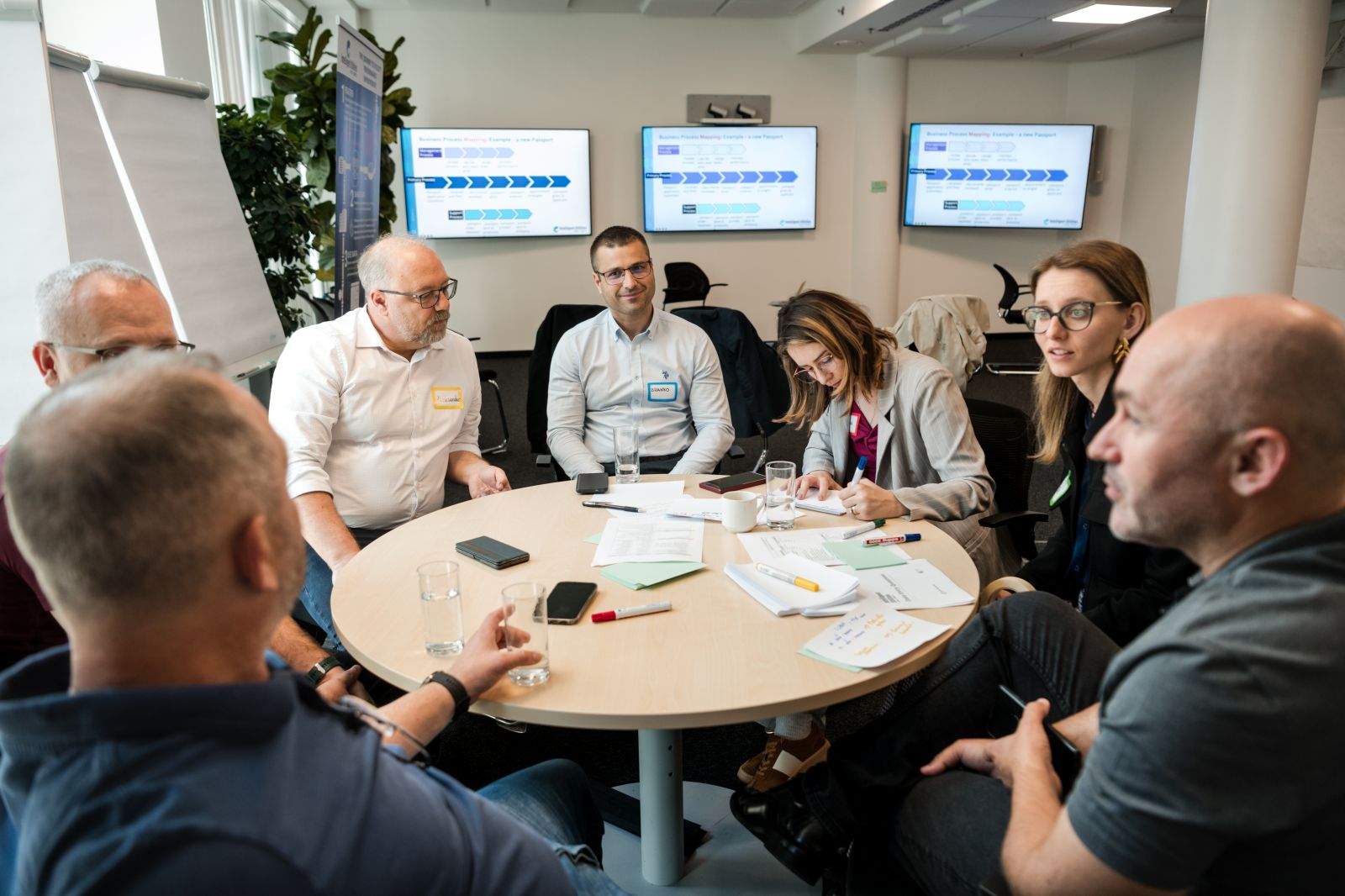
The core of the EPO module addressed the operational and economic logic of wastewater treatment. Enkelejda Gjinali presented the process sequence followed by most municipal WWTPs, tracing the treatment journey through both the water line and the sludge line. Nikolay Nikolov from Hydrolia then connected these technical stages to cost structures, making the case that engineering decisions cannot be evaluated in isolation from their financial implications.
Jindřich Procházka returned with a modelling demonstration that made a pointed argument: efficiency gains should be identified and quantified through modelling before any capital expenditure or technology procurement is considered. The demonstration gave participants a practical tool for applying this principle in their own utilities.
Energy efficiency: where the numbers are
Energy costs represent one of the largest controllable expenditure items for water utilities, and the EPO module dedicated significant time to this area. Zuzanna from Xylem presented an analysis of where energy savings are achievable and at what scale, with figures ranging from 28% to 54% of energy costs, concentrating on blowers and mixers as the primary leverage points.
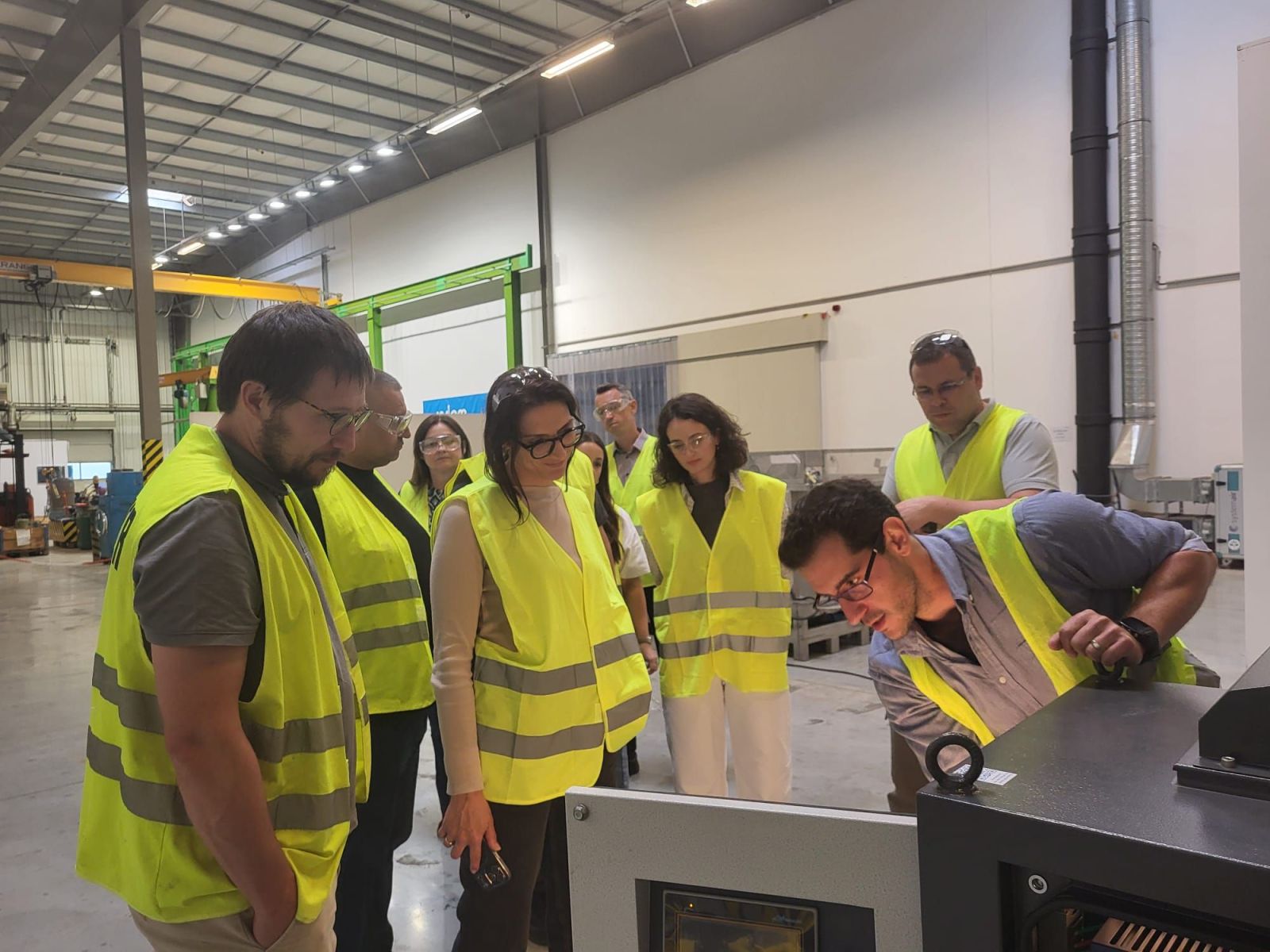
The session extended beyond the classroom: Xylem's demo centre gave participants the opportunity to observe equipment under real operating conditions, including a pump driven to its performance limits. The hands-on element reinforced a recurring theme of the week, that understanding how devices behave, requires more than diagrams and data. Vladimir from Badger Meter completed the picture by reviewing the sensors and monitoring devices that connect the analytical and physical dimensions of plant operations, bridging modelling and real-time equipment performance.
From the field
One of the recurring strengths of the UMT format is the expertise within the participant group itself. This week, Fjolla Lasku contributed a practitioner's perspective on wastewater management, grounding the week's technical content in the realities of day-to-day utility operations.
A small fact that stayed with participants: the volume of air treated per hour on the Budapest WWTP to manage odour equals the volume of water treated per hour. Not operationally critical, but a vivid illustration of the scale involved, and exactly the kind of detail the UMT is designed to surface.
A big Thank You
Sincere thanks to Budapest Waterworks (Rita Studniczki, Galina Rabay, Luca Horváth, Brandstätter Gábor, and Attila Farkas) for hosting the week and for making space for the group to also experience the city. Thanks also to Xylem, Hydrolia, Badger Meter, and all trainers and guest speakers for a dense and rewarding programme.